What a storm chaser looks like
Storm chasers are contractors who follow hail and wind events from city to city. They arrive quickly, knock on doors, sign as many contracts as they can, and move on when the work dries up. Not every out-of-town crew is dishonest, and some legitimate companies bring extra crews to meet demand after big storms. The problem is accountability. If something goes wrong a year later, you need a roofer who still answers the phone.
Houston sees this pattern after major hail events and tropical storms. Knowing the warning signs and asking a few direct questions protects you and your roof. If you are not sure whether your roof is even damaged, read our guide to the signs of hail damage before you talk to anyone at the door.
Red flags to watch for
- Pressure to sign todayoften with a "storm special" or limited-time price.
- Offers to pay or waive your deductiblewhich Texas law prohibits.
- Requests for a large payment upfront before materials are delivered.
- No local addressonly a cell phone number and a temporary sign.
- Vague contracts without materials, scope, start dates or warranty terms.
- Claims they can handle your insurance claim for you or negotiate with the insurer.
- Damage found that you cannot see in photosor a refusal to show you what they found.
What to check before hiring
Local presence. Look for a physical business address in the Houston area, a history of work here and references you can call. Ask how long they have worked locally and who you call for warranty service.
Insurance. Ask for current certificates of general liability and workers' compensation or equivalent coverage, and confirm them with the insurer. If a worker is injured on your roof and the contractor is not covered, it can become your problem.
Manufacturer credentials. Some shingle and metal manufacturers certify installers. These can matter for enhanced warranties, so ask which warranties the roofer can offer and what they cover.
Permits. Ask whether your project needs a permit and who pulls it. A roofer who suggests skipping a required permit is cutting corners elsewhere too.
What the contract should include
- Your address, the roofer's legal business name and physical address.
- The scope of work, material brand and line, color, underlayment, flashing and ventilation.
- How decking replacement is handled and priced.
- Start window, expected duration and cleanup commitments.
- Payment schedule tied to progress, not mostly upfront.
- Workmanship warranty length and what it covers, plus manufacturer warranty details.
- Required Texas notices on insurance-funded work, including your cancellation rights if a claim is denied.
Our guide to Texas roof insurance claims covers the deductible and cancellation rules in more detail.
Questions to ask every roofer
- Can you show me photos of the damage you found and where it is?
- Will you be present when the adjuster inspects the roof?
- Who will be the project lead on site, and are the crews your employees or subcontractors?
- What happens if you find rotten decking during tear-off?
- Who do I call if the roof leaks after the job is finished?
Compare answers between roofers. Clear, specific answers and photos are a good sign. Defensiveness and vague promises are not.
Commercial property owners
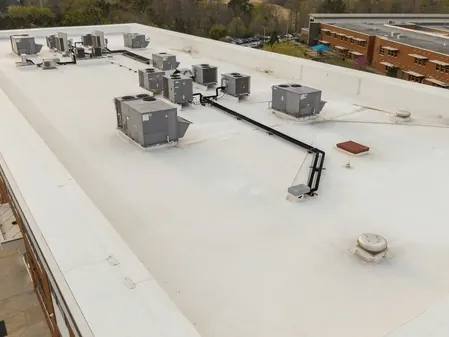
Business owners and property managers face the same risks with bigger numbers. Ask for references from similar buildings, details of the membrane or metal system, and how the roofer will keep the building operating during work. Our commercial roofing page explains what a good commercial roof inspection should include.
After you hire: staying protected during the job
Choosing the right roofer is the biggest step, but a few habits during the project keep things on track. Keep every communication in writing, or follow up phone calls with a short text or email that summarizes what was agreed. Ask for photos of the decking and underlayment before the new roofing covers them. If the crew finds rotten wood, ask to see it and confirm the quantity before it is added to the bill.
Before you make the final payment, do the walkthrough and ask for lien releases from the contractor and, where applicable, the material supplier. In Texas, unpaid suppliers or subcontractors may be able to file liens against the property, so a release helps ensure you are not asked to pay twice. Store the warranty documents with your home records and note who to call if something goes wrong.
Read more
If anything feels wrong during the job, stop and ask questions. A reputable roofer will explain and adjust. If a dispute arises, resources such as the Texas Attorney General's consumer protection office and the Better Business Bureau can help you understand your options.
Search the company name together with words like complaint or lawsuit, and check how long its website and local listings have existed. A business that appeared last month with a temporary phone number deserves extra caution.
Start with a local roofer
You do not have to sign with whoever knocks first. Get your roof inspected by a contractor you contacted yourself, and compare at least two opinions on larger jobs. Calling Roofing Service Houston connects you with independent local roofers; use the same checklist with them that you would use with anyone else.
Questions about choosing a roofer
Do roofers need a license in Texas?
Texas does not have a statewide license for residential roofers. Some cities have registration or permit requirements, and voluntary credentials exist, so check references, insurance and local presence carefully.
How much should I pay upfront for a new roof?
There is no fixed rule, but be cautious about large upfront payments. A common approach is a modest deposit or payment on material delivery, with the balance tied to completion and your final walkthrough.
What is a storm chaser roofer?
A storm chaser is a contractor who follows storms from city to city, signs many contracts quickly, and may leave the area once the work is done, making warranty claims difficult.
Can a roofer sign my insurance claim for me?
No. In Texas, a roofer cannot act as a public adjuster or negotiate your claim. Be wary of any contract that gives the roofer control over your claim.
Should I sign a contingency agreement after a storm?
Read it carefully before signing. Some contingency agreements commit you to a contractor if the claim is approved. Make sure you understand the terms and your cancellation rights first.
How many quotes should I get?
For a repair, one trusted roofer may be enough. For a replacement or a large insurance job, comparing two or three detailed quotes helps you spot gaps and unusual prices.
What should I do if a roofer knocks on my door after a storm?
Take their card, but do not sign anything or let anyone onto the roof on the spot. Check their local address, insurance and reviews, and compare them with a roofer you contacted yourself.