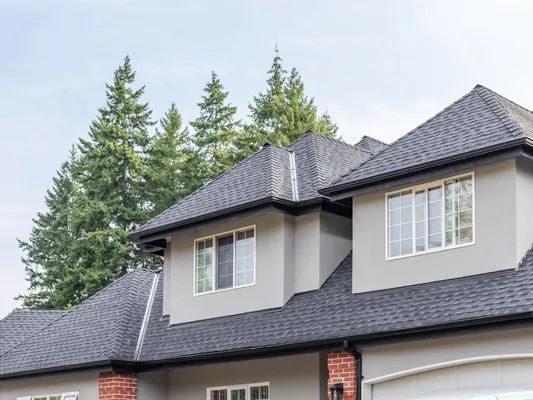
What is a roof replacement?
A roof replacement removes the existing roof covering down to the decking and installs a complete new roof system. That includes repairing or replacing damaged decking, new underlayment, new drip edge and flashing, new vents and pipe boots, and the finished surface, whether that is asphalt shingles, metal or tile.
It is different from a large repair in one key way: nothing old is relied upon to keep water out. Every layer is new and installed to work together, which is why replacement is the fix when leaks keep returning in different spots or when shingles are brittle and shedding granules across the whole roof. It is also the moment to correct problems that shortened the old roof's life, especially poor attic ventilation, which in Houston can cook shingles from below. If your roof might still be repairable, compare this page with our guide to roof repair before deciding.
How does a roof replacement work?
A well-run replacement follows a predictable sequence. First the roofer protects the property: tarps over landscaping, plywood against walls and windows, and a dumpster positioned for debris. The crew then tears off the old shingles, underlayment and flashing down to bare decking.
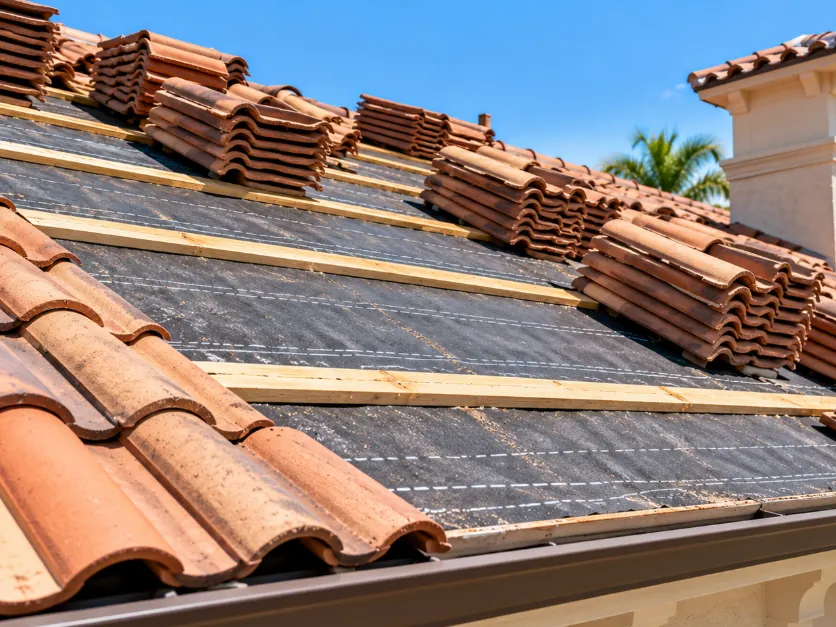
With the decking exposed, every sheet is checked. Soft, rotten or delaminated sections are cut out and replaced, and loose sheathing is re-nailed. Drip edge goes on along the eaves and rakes. A self-adhering ice-and-water style membrane is often installed in valleys and around penetrations, then synthetic underlayment covers the rest of the deck.
Starter shingles are installed at the edges so the first course seals properly. Field shingles follow, nailed in the manufacturer's nailing zone, with new step and counter flashing at walls and chimneys and new boots on every pipe. Ridge vents or other exhaust vents are installed to match the intake at the soffits. Finally, hip and ridge caps are installed, the site is cleaned and a magnet sweep picks up stray nails. Metal and tile roof replacement follows the same overall order with system-specific steps.
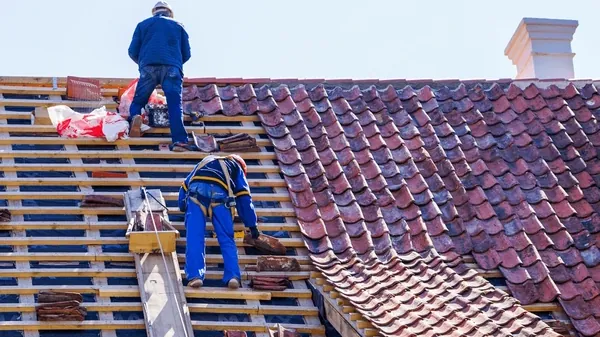
How does a residential roof replacement work, step by step?
A home roof replacement follows the same basic order on almost every house: remove the old roof, fix what is underneath, then build the new system from the deck up. Knowing the order helps you understand what a roofer is talking about and what to ask before work starts.
- Roof removal The old shingles, underlayment and flashing come off down to bare decking. A full tear-off is the norm in Houston because it exposes hidden damage.
- Roof decking replacement Soft, rotted or delaminated plywood or OSB is cut out and replaced. This is the part of the job no one can price exactly until the old roof is off.
- Underlayment and edges Drip edge, valley membrane and synthetic underlayment go down before any shingles.
- New roofing Asphalt shingles, metal or tile are installed with new flashing, pipe boots and ridge vents.
- Cleanup Debris is hauled off and the yard is swept for nails.
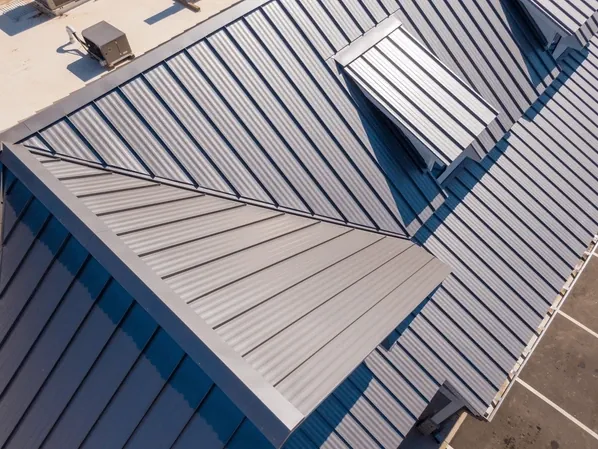
Most homeowners searching for a new roof are choosing between an asphalt shingle roof replacement and an upgrade to metal or tile. Asphalt is the most common residential choice in Houston, while metal roofing and tile roofs cost more upfront and usually last longer. If only part of the roof is damaged, a roofer may suggest a roof repair instead of a complete roof replacement.
8 signs it is time to replace your roof
- Leaks in several placesMultiple leaks on different slopes point to a roof-wide failure.
- Brittle, cracking shinglesShingles that crack when lifted have lost the oils that keep them flexible.
- Widespread curling or cuppingShingles no longer lie flat or seal along entire courses.
- Heavy granule lossBald, dark patches show the asphalt beneath exposed to sun.
- Sagging roof deckDips or waves suggest soaked decking or structural issues.
- Daylight through the deckingLight visible from the attic means gaps water can follow.
- Repeated repairsRepair bills keep coming and each fix exposes the next problem.
- Extensive storm damageHail or wind damage across most slopes is usually a replacement, not a patch.
What wears a Houston roof out?
Heat is the main driver of shingle aging along the Gulf Coast. Sun and hot attics drive out the oils that keep asphalt flexible, granules loosen and the asphalt underneath starts to oxidize. A roof with weak ventilation can age noticeably faster than an identical roof that breathes properly.
Storms shorten roof life in steps. Each hail event bruises shingles and knocks off granules, and each strong wind breaks a few more seal strips. Damage that seems minor after one storm adds up over several seasons. Moisture also plays a role: humid attics, clogged gutters and shaded slopes keep decking damp, which rots wood and rusts fasteners from beneath.
Installation quality matters too. Roofs with high nailing, reused flashing, missing starter courses or inadequate underlayment often need replacement earlier, even when the shingles themselves were good products.
What can you check before getting replacement quotes?
Find out how old the roof is from your home purchase paperwork, permit records or previous owners. Look at the roof from the ground and from upstairs windows for curling, dark patches and missing shingles, and check gutters for granule buildup. In the attic, look for stains, daylight and damp insulation.
Gather your homeowners insurance declarations page so you know your deductible and whether your roof coverage is replacement cost or actual cash value. That information shapes how you approach any storm-related replacement.
Be wary of anyone who knocks on your door after a storm, asks you to sign immediately, or wants full payment before work begins. Take time to compare written estimates.
What does the replacement process look like for you?
- Inspection and measurement. The roofer inspects the roof and attic, measures every slope and notes pitch, penetrations and ventilation.
- Material discussion. You choose between shingle lines, metal or tile, along with colors and any upgrades such as impact-rated products.
- Options and next steps. The roofer explains the findings, repair options and next steps. Ask the roofer about materials, scope and terms before work begins.
- Scheduling and permit. The roofer schedules the job around weather and handles any required permit.
- Installation day. The crew protects the property, tears off, repairs decking and installs the new system.
- Final walkthrough. You review the work, ask about any warranty paperwork and check that the yard and driveway are clear of nails.
Which roofing material makes sense for a Houston home?
Architectural asphalt shingles remain the most common choice because they balance price, appearance and ease of repair. In a hail-prone region, impact-rated shingles are worth pricing; they are tested to resist cracking from hail strikes, and some insurers recognize them. Lighter colors and reflective shingle lines help limit attic heat during long summers.
Metal is the longer-life option and handles wind well when fastened correctly, while clay and concrete tile suit Mediterranean and Spanish-style homes that were framed to carry the weight. Whatever you choose, ask how the roofer will handle ventilation, because balanced intake at the soffits and exhaust at the ridge does more for shingle life here than almost any upgrade. Homes in older neighborhoods such as Houston Heights may also have design rules that affect material and color.
What affects the cost of a new roof?
Replacement prices are driven by size, material and complexity. Ask each roofer to break these out so estimates can be compared line by line.
| Factor | How it affects price |
|---|---|
| Roof area in squares | Each square (100 square feet) adds material, labor and disposal. |
| Material choice | Architectural shingles, impact-rated shingles, metal and tile vary widely. |
| Pitch and stories | Steep and tall roofs need more safety equipment and slower work. |
| Decking replacement | Usually priced per sheet once the condition is known after tear-off. |
| Complexity | Valleys, dormers, chimneys and skylights add flashing and cutting. |
| Ventilation upgrades | Adding ridge or soffit vents adds cost but helps the roof last longer. |
When does a roof replacement become urgent?
Replacement becomes urgent when the roof can no longer keep water out between storms: active leaks in several rooms, large sections of missing shingles, decking that feels soft underfoot to the roofer, or major storm damage. In those cases, temporary tarping protects the house while the replacement is scheduled.
Plan non-urgent replacements outside the peak storm months if you can. Scheduling tends to be easier, and you avoid having the roof open during a stretch of tropical weather.
If the cost is the main obstacle, our page on roof financing explains how payment plans work. To compare your options across every service, start from our overview of choosing a roofing company in Houston.
Questions about roof replacement
How long does a roof replacement take?
Most single-family homes are re-roofed in one to three days once work starts. Larger, steeper or more complex roofs, tile or metal systems, extensive decking replacement and weather can extend that.
Can new shingles go over my old roof?
Some codes allow one overlay layer, but most roofers recommend a full tear-off in Houston. Tearing off lets them inspect and replace rotten decking and install new underlayment and flashing, and many manufacturers offer better warranty terms on tear-off installs.
What roofing material lasts longest in Houston?
Metal, clay tile and concrete tile generally outlast asphalt shingles under Houston heat. Impact-rated architectural shingles are a popular middle ground that improves hail resistance at a lower cost than metal or tile.
Do I need to be home during a roof replacement?
Not usually, but someone should be reachable to approve decking replacement or other changes. It is loud work, so pets are best kept away, and wall hangings near the roofline can shake loose.
Will insurance pay for a new roof?
If a covered event such as hail or wind damaged the roof, your policy may pay for replacement minus your deductible. Many Texas policies pay actual cash value on older roofs, which accounts for depreciation, so read your declarations page carefully.
What warranty comes with a new roof?
There are usually two: a manufacturer warranty on materials and a contractor warranty on workmanship. Terms vary by product line and installer, so ask for both in writing and keep them with your home records.
How do I know if I need a roof replacement or just a repair?
If damage is limited to one area and the rest of the shingles are still flexible, a repair usually makes sense. If leaks keep returning, shingles are brittle across several slopes, or storm damage covers most of the roof, a complete roof replacement is usually the better long-term fix.
Is roof decking replacement part of a new roof?
Decking is inspected during every tear-off, and damaged sections are replaced before the new roof goes on. How much decking needs replacing is only known once the old roof is removed, so ask the roofer how decking replacement will be handled.