Why does roofing work differently in Houston Heights?
Houston Heights was founded in the 1890s as one of the city's first planned suburbs, and it still has many early twentieth-century bungalows, Queen Anne homes and craftsman cottages. Those older houses often sit on pier-and-beam foundations with original framing, and some still have plank decking underneath the shingles. When a roof is replaced, roofers frequently find decking that needs repair or a new layer of sheathing before modern shingles can be fastened properly.
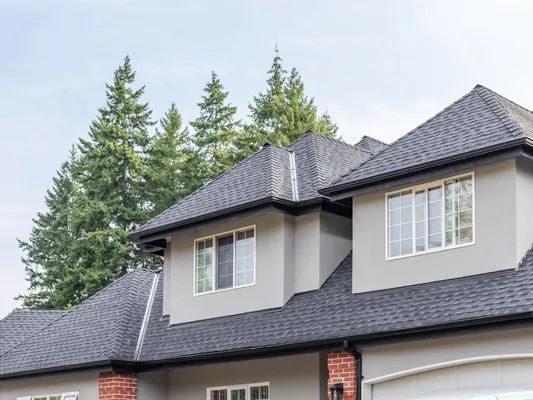
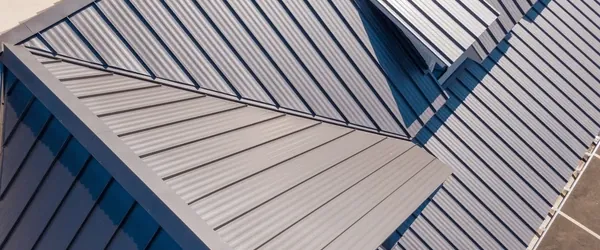
Alongside the originals, the neighborhood has seen a wave of new construction: two- and three-story homes and townhomes with complex rooflines, roof decks and low-slope sections. A single street can include a 1920s bungalow, a modern home with standing seam metal and a townhome with a membrane roof. Each needs a roofer who understands that system.
Trees are the other defining feature. Mature live oaks and pecans shade much of the area, which keeps summer heat down but drops leaves and limbs onto roofs, keeps shingles damp and feeds moss and algae. Finally, parts of the neighborhood are designated historic districts, so exterior changes visible from the street may need city review. Planning roof work here means checking those rules before choosing materials and colors.
Which roofing services do Heights homeowners need most?
Roof replacement on older homes
Many original Heights homes are on their second, third or fourth roof, and a well-planned roof replacement often includes decking repairs, improved ventilation and new flashing at chimneys and dormers. Because these homes were built before modern ventilation practices, adding proper soffit and ridge venting can extend the life of the new roof.
Fascia and roof-edge repairs
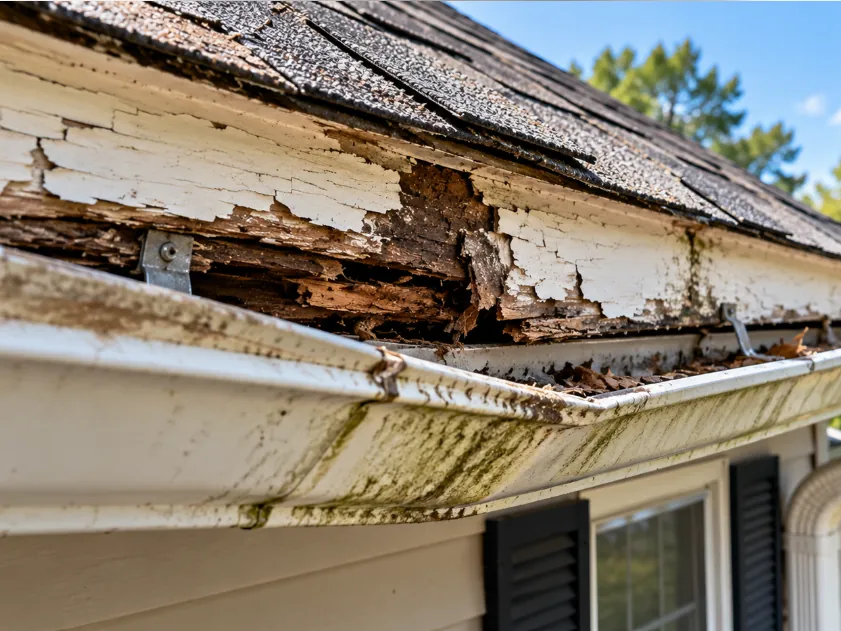
Wide overhangs, decorative trim and gutters filled with oak leaves make rotted fascia common. Fascia board replacement restores the roof edge and gives gutters solid support, and a roofer can match original trim profiles while upgrading to rot-resistant materials.
Leak repair around trees and chimneys
Older chimneys without crickets, plus valleys clogged by leaves, make leaks around chimneys and valleys a frequent call. Tracing those leaks carefully, rather than smearing sealant, is the heart of good roof leak repair in this neighborhood.
Low-slope repairs on newer builds
Townhomes and modern homes with flat sections and roof decks depend on membranes, drains and parapet flashing. Ponding water and seam failures on those sections need a roofer familiar with low-slope systems.
What should owners of older Heights homes know before re-roofing?
Older homes hide surprises under the shingles. Original plank decking often has gaps between boards, which modern shingle manufacturers may not accept as a nailing surface, so roofers sometimes recommend adding a layer of plywood or OSB over the planks. Previous roofs may have been layered on top of each other, adding weight and hiding rot. Budget for decking work when the roof is opened up, and ask for a per-sheet price in the estimate so there are no surprises.
Ventilation is another common gap. Many early homes were built without soffit vents, and later remodels may have closed off attic airflow. In a Houston summer, an attic without balanced ventilation runs very hot, which shortens shingle life and raises cooling costs. Adding intake and exhaust vents during re-roofing is usually straightforward.
Finally, think about appearance. Steep roofs with dormers and porches are visible from the street, so material, color and ridge details shape the character of the house. Owners in historic districts should confirm what the city requires, and owners outside those districts may still want a look that fits the block. A roofer who regularly works on older homes can show examples of similar projects.
Roof repair in the Heights
Roof repair in the Heights, Houston, is often about older details: chimneys without crickets, porch roofs joined to the main roof, and detached garages with low-slope roofs. Leaks at those joints are usually flashing problems, covered in our roof flashing repair guide. Ask the roofer whether repairs will match the existing roof, which matters on visible slopes in historic districts.
Houston Heights roof checklist
- Confirm whether your property is in a designated historic district before planning visible roof changes.
- Clear valleys and gutters after heavy leaf drop, especially under oaks and pecans.
- Have branches trimmed back from the roof surface and away from the chimney.
- Check fascia and decorative trim for peeling paint and soft wood each year.
- Ask for an attic ventilation assessment during any replacement on an older home.
- Inspect low-slope sections and roof decks for ponding after storms.
Nearby areas we cover
Roofing calls are also taken from neighborhoods around the Heights, including Woodland Heights, Norhill, Timbergrove and the Washington Avenue corridor. To the west, larger homes under tall pines face similar tree-related problems, covered in our guide to roofing in Memorial. For heavily wooded northeast Houston, see Kingwood. For an overview of every service across the city, start with Houston roofing help on our homepage.
Houston Heights roofing questions
Do I need approval to replace a roof in a Heights historic district?
Exterior work on properties in City of Houston historic districts can require review by the city's historic preservation office. Rules depend on the district and the scope, so check with the city and your roofer before choosing materials or colors.
Can an older Heights home take a modern roof system?
Usually, yes. Older homes often need decking repairs or added sheathing over original plank boards, and ventilation may need improvement, but modern shingles and metal can be installed on most older framing.
Why do Heights roofs have so many leaks around trees?
Large live oaks and pecans drop leaves and limbs, rub against shingles and shade roofs so they dry slowly. Debris in valleys and gutters backs water up, and branches cause punctures during storms.
Are detached garages and garage apartments roofed the same way?
They usually use the same materials, but many older garages have low-slope roofs or minimal framing, so the roofer may recommend a different underlayment or system for those structures.
Do new townhomes in the Heights have different roof issues?
Yes. Newer townhomes often have flat or low-slope sections, roof decks and parapets, which depend on membranes, drains and careful flashing rather than shingles alone.