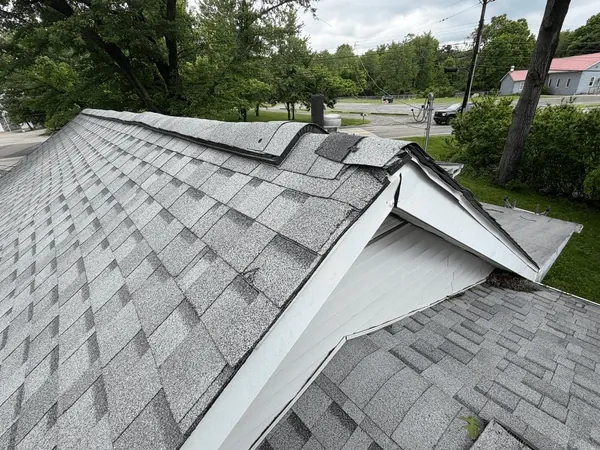
What is missing shingle repair?
Missing shingle repair replaces shingles that have torn off or blown away, then re-seals the surrounding shingles so the roof sheds water as one continuous surface again. It is one of the most common roof repairs after windy weather and one of the most time-sensitive, because the layer left exposed was never meant to face the weather alone.
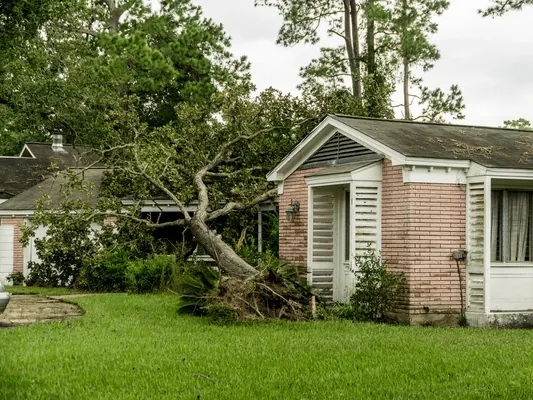
Shingles work by overlapping. Each course covers the nails of the course below, and the factory sealant strip bonds each tab to the shingle beneath it. When one shingle is gone, the nails and the top edge of the course below are uncovered, and the shingles on either side lose part of their support. Wind can then catch those edges more easily, so one missing shingle often becomes several after the next storm. Replacing the gap promptly and sealing the neighbors protects the rest of the slope. If several areas are affected after a storm, our storm damage roof repair guide is the better starting point.
How are missing shingles replaced?
Replacing shingles is detail work. The roofer first breaks the seal on the shingles above the gap using a flat bar, carefully, so they are not cracked. Leftover pieces and old nails in the damaged area are removed, because shingles cannot lie flat over old fasteners.
The underlayment is then checked. If it is torn, sun-damaged or wet, that section is patched or replaced, and soft decking underneath is repaired before anything goes back on. New shingles are slid into position so they align with the existing courses, and each one is nailed in the manufacturer's nailing zone. The shingles above are re-nailed if their nails were disturbed. Finally, the repaired tabs and the lifted shingles around them are hand-sealed with roofing cement so they are bonded immediately rather than waiting for summer heat to activate the strip.
The roofer should also look for the reason shingles came off. High nailing, missing starter shingles at the eaves and rakes, or shingles that never sealed are common causes, and fixing the cause prevents a repeat after the next front comes through.
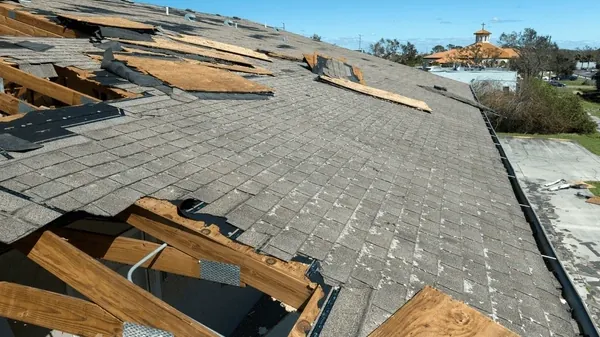
8 signs you have missing or failing shingles
- Shingle pieces in the yardThe clearest sign, often after a windy night.
- Different-colored patchesExposed underlayment looks dark or black against shingles.
- Lifted or flapping tabsA tab that moves in wind has lost its seal.
- Horizontal creasesCreased shingles were bent by wind and will tear off soon.
- Exposed nail headsVisible nails mean a shingle above is missing or slipped.
- Bare spots at edges and cornersWind pressure is highest at eaves, rakes and ridges.
- New attic light spotsDaylight where none appeared before suggests an opening.
- Granules collecting in one areaLocalized grit can mean a damaged or loose section.
Why do shingles go missing?
Wind is the direct cause, but the underlying reasons are usually weak seals or weak nailing. Shingles that were installed in cool weather or shaded areas may never have fully bonded. Nails placed above the nailing zone hold only one layer instead of two, so the shingle tears free more easily. Missing starter strips leave the first course at the eaves with no adhesive edge at all.
Age plays a role too. As shingles become brittle in Houston heat, the sealant bond and the mat weaken, and tabs crack off in gusts that a newer roof would handle. Tree limbs that rub across the roof wear shingles down and can pry them loose. Finally, previous repairs that were not hand-sealed or that reused damaged shingles can come loose in the next storm. If the peak of the roof is where shingles are disappearing, the issue may be the caps, covered in our ridge cap repair guide.
Missing shingles vs broken shingles: is the repair different?
Roofers handle missing and broken shingles in much the same way, but the cause and the urgency are different.
- Missing shingles The shingle is gone, so the underlayment and nails beneath are exposed to sun and rain. Replace missing shingles quickly, especially before a storm.
- Broken or cracked shingles The shingle is still there but split, often from age, hail or foot traffic. It may not leak yet, but it no longer seals properly.
- Creased shingles Wind has bent the tab upward, breaking the seal. It may lie flat again but is likely to blow off in the next storm.
In each case, the roofer removes the damaged shingle and old nails, checks the underlayment, slides in a new shingle, nails it in the correct zone and hand-seals it. If shingles are missing across several slopes after a storm, see our storm damage roof repair guide. For other shingle problems, our roof repair page covers the wider picture.
What can you safely check yourself?
Walk around the house and look for shingle pieces, nails and granules on the ground. View each slope from the yard or an upstairs window with binoculars, looking for patches of different color, lifted edges and visible nails. Photograph everything you see, including the pieces in the yard.
Check the attic for new spots of light, damp decking or wet insulation under the area where shingles appear to be missing. If rain is expected and you see a large gap, call for a temporary tarp rather than waiting.
Do not try to tack shingles back on from a ladder. Reaching onto a roof edge from a ladder is a leading cause of falls, and loose shingles can slide under your hands or feet.
What happens during a missing shingle repair visit?
- Surface check. The roofer finds every missing and loose shingle, not just the obvious gap.
- Cause assessment. Nail placement, seal condition and starter strips are inspected.
- Material match. The shingle product and color are identified and the closest match is sourced.
- Underlayment and decking check. Exposed layers are repaired before new shingles go on.
- Installation and sealing. New shingles are installed and hand-sealed with neighbors re-bonded.
- Photos and cleanup. You get before and after photos, and debris is removed from the roof and yard.
How do roofers match replacement shingles?
Matching starts with identification. Roofers look at the shingle's shape, size, exposure and any markings on pieces found in the yard. Many architectural shingles have distinctive cut patterns, and the color names change over time, so a sample shingle is the best reference. Some manufacturers' product lines are discontinued, which makes exact matches harder on older roofs.
Even the right product will look different at first, because the existing shingles have been weathered by years of Houston sun. Color differences usually fade over a season or two as the new shingles weather. When no reasonable match exists and the damage is visible from the street, homeowners sometimes choose to replace an entire slope for appearance. In insurance situations, matching rules depend on your policy and state regulations, so ask your adjuster how mismatched repairs are handled. Keep a bundle of leftover shingles after any replacement; it makes future repairs much easier.
What affects the cost of replacing missing shingles?
Missing shingle repairs are usually small jobs, but a few details change the scope.
| Factor | How it affects price |
|---|---|
| Number of shingles | A handful is a short job; scattered losses across slopes take longer. |
| Shingle availability | Discontinued or specialty shingles can be harder to match. |
| Underlayment condition | Sun-damaged or wet underlayment must be replaced first. |
| Roof pitch and height | Steep or tall roofs need extra safety setup. |
| Minimum service charge | Many roofers have a minimum fee for small repairs. |
When are missing shingles an emergency?
Treat it as urgent if a large section is gone, if the underlayment is torn or missing so decking is visible, if water is already entering the house, or if more rain or wind is forecast. A temporary tarp prevents the exposed area from soaking until the permanent repair is made.
Ask the roofer to hand-seal any loose tabs they find while on the roof, even outside the damaged area. It is quick work that can prevent the next blow-off.
When the damage is a single puncture rather than missing tabs, our roof patch repair guide applies. For anything else, our main page connects you with local roofers across Houston.
Questions about missing shingle repair
Can I wait to replace one missing shingle?
It is not a good idea. Underlayment is not designed for prolonged sun and rain exposure, and the shingles beside the gap are now more exposed to wind. A single missing shingle is a quick repair if handled early.
Why do new shingles blow off a fairly new roof?
Common reasons include shingles that had not sealed before the first strong wind, nails placed too high, missing starter strips at the edges or a manufacturing defect. A roofer can usually tell which from the nail pattern.
Will replacement shingles match my roof?
A roofer will look for the closest available match, but sun fading and product changes can make new shingles look slightly different at first. Differences usually soften as the new shingles weather.
Is a missing shingle covered by insurance?
Wind damage from a specific storm may be covered, subject to your deductible, which is often higher than a small repair. Wear and installation defects are typically excluded.
How are new shingles sealed down?
Most asphalt shingles have a factory sealant strip that bonds in warm sun. On repairs, roofers often hand-seal tabs with roofing cement so they hold even before the sun activates the strip.
What should I do with shingles I find in the yard?
Keep a few. They help the roofer identify the product and color and can support an insurance claim if the loss came from a storm.
Can I replace one missing shingle or does the whole area need redoing?
Usually only the missing shingle and any loose neighbors need replacing. A roofer will check the underlayment and nearby shingles, since wind often loosens more than the one that came off.