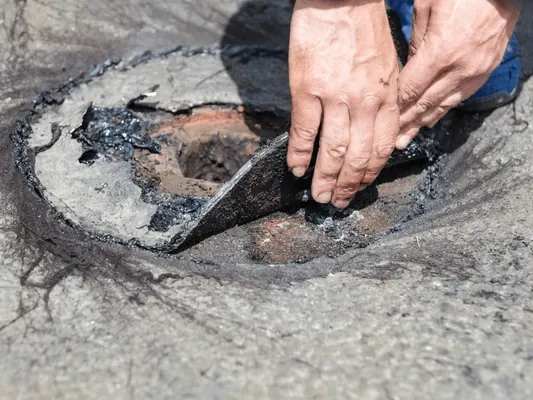
What is a roof patch repair?
A roof patch repair rebuilds a small, clearly defined area of the roof that has been damaged, while leaving the rest of the roof untouched. Typical examples are a puncture from a falling limb, a soft spot of rotted decking around an old leak, damage from a satellite dish removal, or a few square feet torn up by foot traffic or debris.
The difference between a lasting patch and a temporary one is depth. A surface patch, such as a smear of roofing cement or a piece of shingle glued over the top, does not address the decking or underlayment and usually fails in the first hot summer. A proper patch removes damaged shingles, underlayment and decking back to sound material, replaces each layer, and ties the new shingles into the existing courses so water runs off without finding an edge. Done that way, the patched area should perform like the roof around it. If damage is scattered rather than in one area, a general roof repair is usually the better approach.
How does a professional roof patch work?
The roofer starts by defining the boundary of the damage. Shingles around the area are lifted and the decking is checked by sight and by pressing for soft spots, so the patch extends to solid material rather than stopping at the edge of the visible hole.
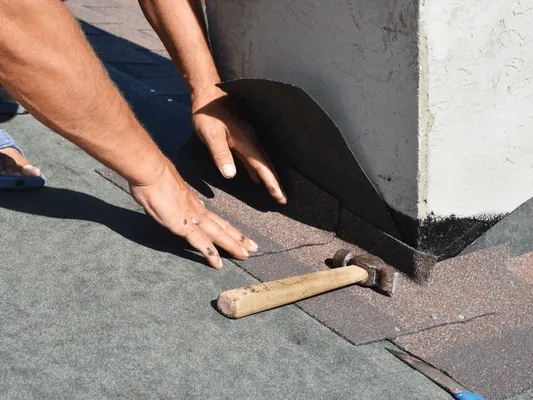
The patch is then built layer by layer:
- Remove shingles and underlayment in a staggered pattern so new courses can weave in.
- Cut out damaged decking back to the nearest rafters, so new sheathing is supported on both edges.
- Install new decking of matching thickness, nailed to rafters, with any blocking added for support.
- Lay new underlayment that overlaps beneath the existing underlayment above and over it below, so water flows in the right direction.
- Weave in shingles course by course, nailing in the correct zone and lifting surrounding shingles to tie in properly.
- Seal and inspect the edges so the patch is bonded and lies flat with the rest of the roof.
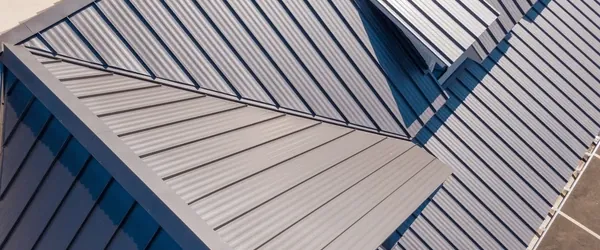
On tile, metal or flat roofs, the same principle applies with the materials and laps that system needs.
8 signs a roof patch may be needed
- A visible hole or punctureBranches, hail or debris can pierce shingles and decking.
- A soft or spongy spotDecking that gives underfoot is rotting below the shingles.
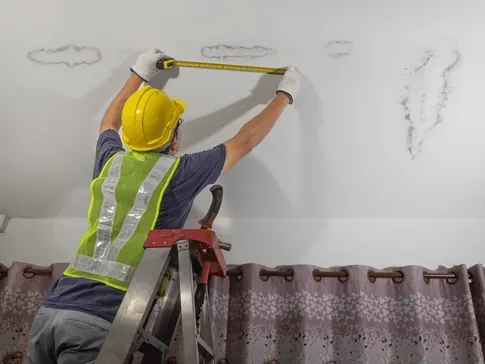
- Localized leak stainA single ceiling stain often traces back to one small area.
- Old fastener holesRemoved dishes, antennas or mounts can leave open holes.
- Torn shingles in one areaDamage clustered in one spot rather than spread out.
- Failed previous patchCracked tar or mismatched shingles over an old problem.
- Dark spot in the atticDiscolored decking in one small area under the roof.
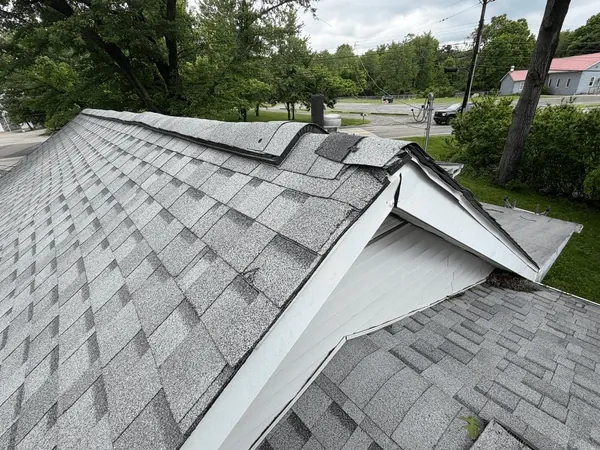
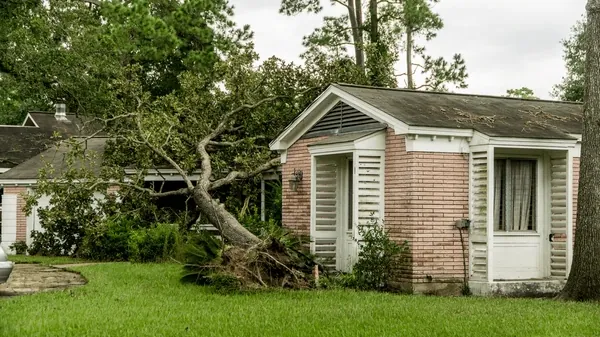
- Debris impactA limb fell and you can see a dent or crack in the roofline.
What causes small, localized roof damage?
Falling limbs are a leading cause in Houston's tree-lined neighborhoods. Even a medium branch can crack shingles and decking if it lands point first. Old leaks that were never properly fixed cause rot that stays local but slowly spreads under the shingles. Equipment removal leaves holes: satellite dishes, antennas, old vent stacks and solar mounts are sometimes removed with the holes filled only with sealant.
Foot traffic also causes local damage, especially on older, brittle shingles or on tile, where one wrong step cracks a tile and the underlayment beneath can tear. Animals occasionally damage roof edges and vents. Whatever the cause, the defining feature of patch-worthy damage is that the rest of the roof is still in good condition. If the leak source is unclear, our roof leak repair guide explains how the source is traced before a patch is built.
Hidden damage is the other reason patches go wrong. A branch that lands on a roof can crack a rafter without leaving more than a small dent in the shingles, and an old leak can rot decking well beyond the visible stain. Experienced roofers press the decking around any damage, check the framing from the attic and widen the patch when they find soft wood, so the repair rests on solid structure on every side.
How do roofers patch a hole in a roof?
Patching a roof hole properly means rebuilding the layers, not covering the hole from the top. A tar patch over the surface can stop water for a short time, but it dries out and cracks in Houston heat, and it leaves damaged decking underneath.
- Find the edges The roofer lifts shingles around the hole and presses the decking to find where the damage stops.
- Cut out bad decking The damaged section is cut back to the nearest rafters so the new piece is supported.
- Underlayment repair New underlayment is lapped under the existing layer above and over the layer below.
- Shingle the patch New shingles are woven into the surrounding courses and sealed.
For a small roof repair like this, the patch should blend in and perform like the roof around it. If you find more than one damaged area, or the shingles around the hole are brittle, a broader roof repair may be the better choice.
What can you safely check before calling?
From the ground, look for the impact point if a limb fell, and photograph it. Check whether any part of the limb is still on the roof. Indoors, look for a stain directly below and check the attic with a flashlight for light coming through, splintered decking or wet insulation.
If the damage is from removed equipment, check your records for when it was removed and who did it. That history helps the roofer decide how much decking to inspect.
Do not try to drag a limb off the roof yourself. It can tear more shingles, and the weight can shift unexpectedly. A roofer or tree service should remove it safely.
What happens during a roof patch visit?
- Assess the area. The roofer inspects the damage and the attic below it.
- Define the boundary. The patch is sized to reach solid decking and sound shingles.
- Confirm materials. Shingles, underlayment and decking are matched to the existing roof.
- Remove and rebuild. Damaged layers are removed and replaced in the correct lapping order.
- Tie in and seal. New shingles are woven into existing courses and hand-sealed.
- Show the result. Before and after photos confirm what was replaced and how it was finished.
How do roofers decide between a patch and a bigger repair?
The deciding question is whether the damage has a clear edge. A limb strike, a single soft spot or an old dish mount usually affects a defined area, and a well-built patch can solve it completely. If the decking feels soft in several places, if the shingles around the damage are brittle and crack when lifted, or if water stains in the attic spread across multiple rafters, a patch will not hold for long.
Age matters too. A patch on a roof with plenty of remaining life makes sense. On a roof that is near the end of its life, the patch may outlast the shingles around it, and money might be better spent toward replacement. Ask the roofer to show you the condition of the shingles next to the damage and to explain why they recommend one approach over the other. Wooded neighborhoods like Kingwood see frequent limb strikes, so patch repairs are common there after storms.
What affects the cost of a roof patch?
Patch repairs are priced on area, layers and access. These are the main variables.
| Factor | How it affects price |
|---|---|
| Patch size | A few square feet is quicker than a section spanning several rafters. |
| Decking replacement | Cutting in new sheathing adds material and time. |
| Framing damage | Cracked rafters need structural repair before decking. |
| Roofing material | Tile, metal and specialty shingles cost more to patch. |
| Access | Steep, high or hard-to-reach areas need more setup. |
When is a roof patch an emergency?
A puncture or open hole is urgent when rain is forecast, when water is already coming in, or when a limb is still lying on the roof. In those cases, the first step is a temporary cover and limb removal, followed by a permanent patch once the area is dry and safe to work.
Trim branches that hang over the roof. Removing the source of impacts and debris is the cheapest way to avoid the next patch.
If you are not sure whether a patch or a bigger repair fits your situation, read our Houston roofing guide for an overview of every option.
Questions about roof patch repair
How long does a roof patch last?
A patch built with new decking, underlayment and shingles tied correctly into the surrounding roof can last as long as the rest of the roof. A surface patch of sealant over damage typically lasts only a short time.
Is a roof patch the same as a repair?
A patch is one kind of repair, focused on rebuilding a small, defined area. General repairs also include fixing flashing, vents or scattered shingles across the roof.
Can a patch be done on a tile or metal roof?
Yes, but the method differs. Tile patches involve replacing broken tiles and the underlayment beneath; metal patches involve replacing or sealing a panel section with compatible materials to avoid corrosion.
Will a patch void my roof warranty?
It can if it is done with incompatible materials or incorrect methods. Ask the roofer to use materials consistent with your roof and to document the work in case you need it for warranty purposes.
Is roofing tar a good emergency patch?
Roofing cement can seal a small opening temporarily, but it dries and cracks in Houston heat and can trap water. Treat it as a stopgap until a proper patch is made.
Can a patch fix a sagging spot?
Only if the sag is caused by a small area of damaged decking. Widespread sagging or framing problems need a larger repair and possibly structural work.
Is a tar patch a good way to fix a hole in the roof?
Only as a short-term stopgap. Roofing tar dries out and cracks in Houston heat and does not fix damaged decking underneath. A proper patch replaces the damaged decking, underlayment and shingles.