What is roof financing?
Roof financing is any arrangement that lets you pay for roof work over time instead of all at once. The most common form is a home improvement loan arranged through the roofing company, where a third-party lender pays the roofer and you repay the lender in monthly installments. Other options include personal loans from banks or credit unions, home equity loans or lines of credit, and credit cards for smaller repairs.
Financing is most often used for a full roof replacement, which is one of the larger home expenses and frequently unplanned. It can also cover major repairs, upgrades such as impact-rated shingles or metal, and the uncovered portion of an insurance-paid storm replacement. Financing does not change what the roof costs; it changes when and how you pay, and it usually adds interest and fees. The right choice depends on your budget, credit, how urgent the work is and the total cost of borrowing.
How does roof financing work?
When financing is offered through a roofer, the process usually runs alongside the estimate. After the inspection, the roofer may offer one or more programs from partner lenders. You apply, often online or on a tablet, and receive a decision with the approved amount, interest rate and term.
Common structures include:
- Fixed-rate installment loans A set interest rate and fixed monthly payment over a term of years.
- Promotional plans Reduced or zero interest for a set period, sometimes with deferred interest if not paid off in time.
- Same-as-cash windows No interest if paid in full within a short period, useful when insurance money is expected.
- Home equity products Loans or lines of credit secured by your home, typically arranged through your bank.
- Property-assessed programs Some areas offer financing repaid through property taxes for qualifying improvements, with specific rules and liens.
Once the loan is approved and you sign, the lender typically pays the roofer at agreed milestones or at completion. Your repayment begins according to the loan terms, independent of the roofer.
8 situations where financing may help
- Urgent replacementA failing roof cannot wait for savings to build up.
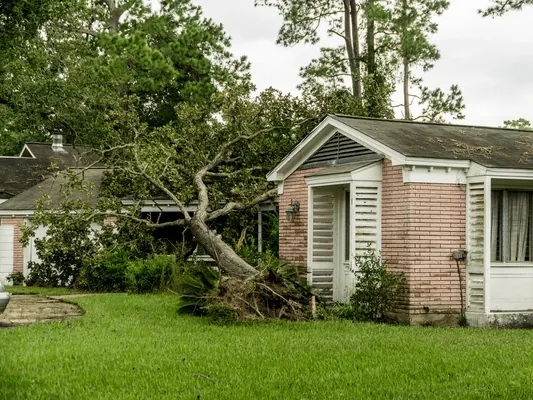
- Storm damage not fully coveredDepreciation and deductibles leave a gap.
- Upgrading materialsSpreading the extra cost of metal or impact-rated shingles.
- Preparing to sellA new roof can help a sale when cash is tied up.
- Combined projectsRoof, gutters and fascia done together.
- Preserving emergency savingsKeeping cash available for other needs.
- Waiting on an insurance payoutShort-term financing until funds arrive.
- Repairs that prevent bigger costsFixing a leak now rather than paying for interior damage later.
What drives the cost of financing?
The interest rate is only one piece. The annual percentage rate reflects interest plus some fees, and the term determines how much interest you pay overall. A longer term lowers monthly payments but usually increases the total paid. Origination or dealer fees, sometimes built into the project price rather than shown separately, also add cost. Ask whether the price changes if you pay cash versus financing.
Your credit profile, income and debt levels affect approval and pricing. Promotional offers can be valuable, but deferred interest plans can become expensive if any balance remains when the promotion ends. Secured loans such as home equity products often carry lower rates but use your home as collateral and take longer to arrange. For storm-related work, understanding your policy first, as covered in our storm damage roof repair guide, tells you how much you actually need to borrow.
Lender and roofer roles also differ in a way that matters if something goes wrong. The roofer is responsible for the work and its warranty, while the lender is responsible only for the loan. If a dispute arises about the roof, your loan payments are generally still due, so make sure the contract states clear milestones for payment and a completion standard before the lender releases funds.
Do roofing companies offer financing?
Many roofing companies work with third-party lenders and can explain financing options during the estimate. Others do not offer financing, and some homeowners prefer to arrange their own loan. Because programs vary from company to company, ask about financing when you call rather than assuming it is available.
When a roofer does offer financing, the loan usually comes from a lender, not the roofer. That means:
- The lender sets the terms Interest rate, term and approval come from the lender, based on your credit.
- The roofer is responsible for the work The roof, its warranty and the schedule stay between you and the roofer.
- You can compare You are free to compare the roofer's program with a credit union loan or home equity option.
Financing is most common for a full roof replacement, but some programs also cover larger repairs. If the work is storm-related, read our storm damage roof repair guide first so you know how much insurance may cover.
What should you check before signing?
Get the project estimate and the financing terms in writing as separate items. Confirm the APR, term, monthly payment, total of payments, any fees and any prepayment penalty. Ask whether the project price differs for cash, card or financing.
Compare at least one outside option, such as a credit union loan, using the same loan amount and term. Read promotional terms carefully, noting the exact date by which the balance must be paid to avoid interest.
Be cautious of any offer to waive, cover or rebate your insurance deductible. In Texas, it is illegal for a contractor to do so, and it can create problems with your claim.
How does financing fit into the roofing process?
- Inspection. The roofer explains the findings, repair options and next steps.
- Review payment options. You ask about financing programs and request written terms.
- Prequalify or apply. You check eligibility, ideally with a soft credit check first.
- Compare offers. You weigh the roofer's program against outside financing.
- Sign the contract and loan. The project contract and the loan agreement are signed separately.
- Work and funding. The roof is completed and the lender pays the roofer according to the agreement.
How does financing work alongside an insurance claim?
When a storm damages a roof, insurance may pay for some or most of the replacement, but rarely all of it. Your deductible always comes from you, and on policies that pay actual cash value, the insurer subtracts depreciation for the roof's age. Some replacement cost policies hold back depreciation until the work is finished and pay it afterward. Those gaps are where homeowners often consider financing.
Timing also matters. Insurance payments may come in stages, and mortgage companies are often listed on the check, which can slow the process. Short-term or same-as-cash financing can bridge that gap so the roof is replaced promptly. Be sure you understand the payment schedule of both the insurer and the lender before work starts.
Upgrades are a separate decision. If you want impact-rated shingles or metal instead of a like-for-like replacement, insurance generally covers only the equivalent of what you had, and you pay the difference. Financing can spread that difference over time. Homeowners in flood-recovery areas such as Meyerland sometimes combine roof work with other rebuilding, so ask the roofer to separate roof costs clearly in the estimate.
What affects what you pay over time?
Use these factors to compare financing offers on the same project.
| Factor | How it affects total cost |
|---|---|
| APR | Higher rates increase total interest paid. |
| Loan term | Longer terms lower payments but usually raise total cost. |
| Fees | Origination or dealer fees add to the amount borrowed. |
| Promotional terms | Deferred interest can apply retroactively if not paid in time. |
| Secured or unsecured | Secured loans may cost less but use your home as collateral. |
What if you need a roof urgently but cannot pay yet?
If water is coming in, protect the home first. A temporary tarp or emergency repair costs far less than a replacement and buys time to arrange financing or insurance. Then ask the roofer about the permanent work and explore financing with a clear picture of the amount needed.
Ask for the estimate to list optional upgrades separately. Financing only what you need keeps the loan smaller, and you can decide on upgrades with full information.
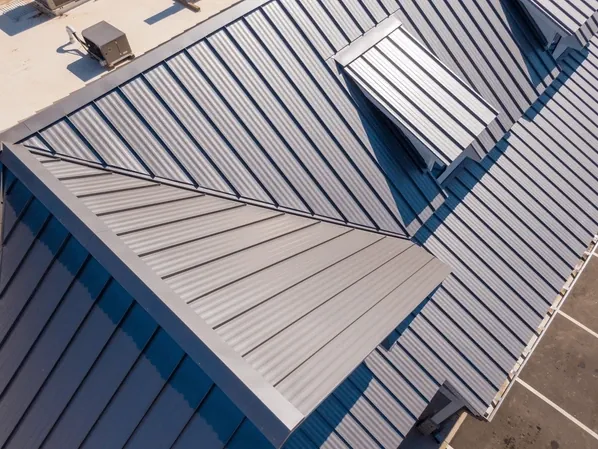
Payment plans are often paired with upgrades like metal roof installation. When you are ready, our homepage connects you with a roofing service in Houston that can explain its financing options.
Questions about roof financing
Do roofers offer financing directly?
Many roofing companies partner with third-party lenders and help you apply during the estimate. The loan itself is usually issued by the lender, not the roofer, so its terms come from the lender.
Does applying for roof financing affect my credit?
A prequalification may use a soft credit check, while a full application usually involves a hard inquiry. Ask which type is used before applying.
What credit score do I need?
Requirements vary by lender and program. Some programs are designed for a range of credit profiles, while promotional low-rate offers typically require stronger credit.
Can I finance only my insurance deductible?
Some homeowners finance the portion of a storm replacement not covered by insurance, including the deductible. Policies and laws around deductibles matter, so never accept an offer to waive or absorb your deductible.
What is a deferred interest promotion?
Some offers charge no interest if the balance is paid in full within a promotional period. If it is not, interest may be charged back to the start. Read the terms closely and plan payoff carefully.
Is a home equity loan better than roofer financing?
It depends on your equity, rates and how quickly you need the work. Home equity products may have lower rates but take longer to close. Compare the total cost, not just the monthly payment.
Are there financing options for roof replacement?
Often, yes. Many roofing companies work with lenders that offer payment plans for roof replacement, and you can also use a personal loan or home equity product. Programs vary, so ask each roofer what they offer and compare the full terms.