Why does roofing in Clear Lake need a coastal mindset?
Clear Lake is part of the Bay Area in southeast Houston, home to NASA's Johnson Space Center and built around the lake that connects to Galveston Bay. Many residents enjoy the water and the marinas, but that proximity also means stronger exposure to wind from tropical storms and hurricanes moving in off the Gulf.
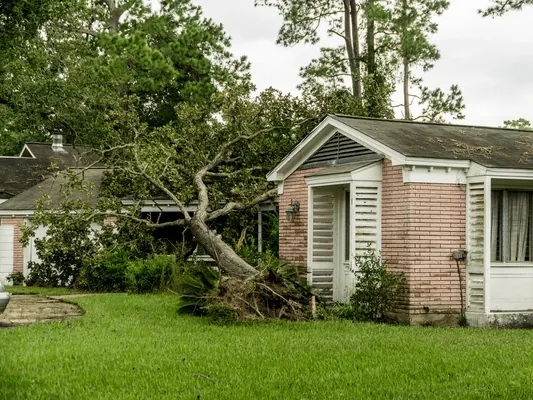
The region has a long memory of storms. Hurricane Ike in 2008 caused widespread roof damage across the Bay Area, and many homeowners here think about wind resistance when choosing roofing. Wind damage often begins at edges, corners and ridges, where uplift pressure is highest, then works inward. Shingles that were not nailed to high-wind patterns, ridge caps without adequate fasteners and loose drip edge are the first to fail.
Read more
Salt air adds a slower threat. Moisture carrying salt from the bay can accelerate corrosion of some metals, especially fasteners, flashing and rooftop equipment closer to the water. Over time, rusted nails and flashing loosen and open leak paths. Choosing corrosion-resistant materials and inspecting metal components regularly are part of roof care here.
Humidity is the quieter partner to wind. Air near the water stays damp, so attics need good ventilation to keep moisture from condensing on the underside of decking and around nails. Over time, poor airflow lets fasteners rust and wood soften from the inside, weakening the roof deck that holds shingles down in a storm. A roofer evaluating a Bay Area home should look at the attic as closely as the roof surface, checking for rusted nail tips, darkened decking and blocked soffit vents.
Which roofing services do Clear Lake homeowners need most?
Storm and wind damage repair
After tropical storms and strong fronts, storm damage roof repair is the most frequent call. Documenting damage promptly and tarping openings protects the home and supports insurance claims.
Ridge and edge repairs
Ridges, hips and roof edges take the brunt of coastal wind. Ridge cap repair, along with re-securing drip edge and edge shingles, addresses the areas where wind damage usually starts.
Metal roofing for wind resistance
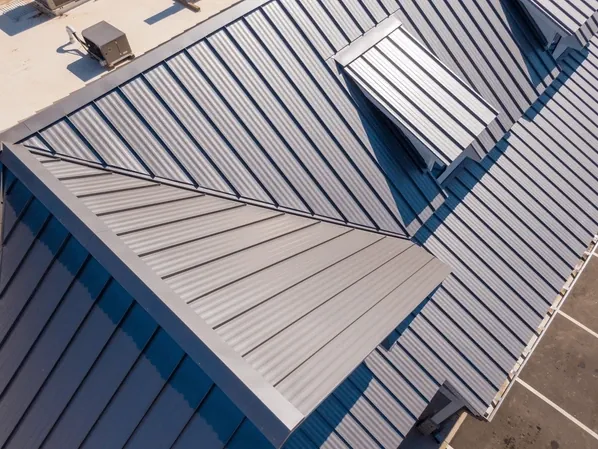
Many Bay Area homeowners consider metal roof installation for its wind performance and long life, with materials chosen to handle coastal air.
Flashing and fastener replacement
Corroded flashing, vents and fasteners near the water should be replaced before they fail. Inspections that include metal components are especially useful closer to the bay.
What makes a roof more wind-resistant?
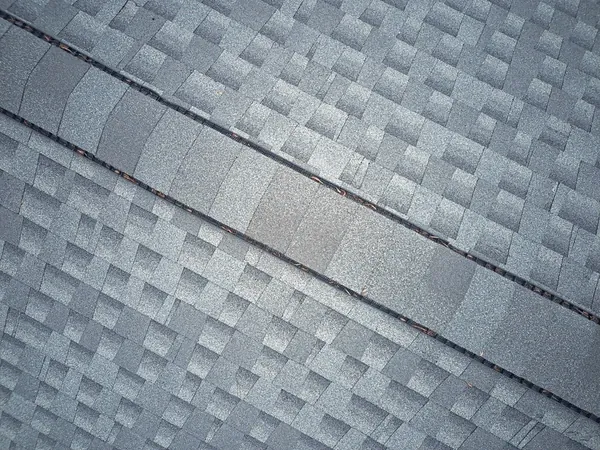
Wind resistance comes from how a roof is built as much as from the materials. Shingles rated for high wind need to be installed with the manufacturer's high-wind nailing pattern, often with more nails per shingle, placed precisely in the nailing zone. Starter strips with adhesive along the eaves and rakes help prevent wind from catching the first course. Ridge and hip caps need fasteners long enough to hold firmly, and drip edge should be secured so the roof edge cannot peel back.
Beneath the shingles, well-fastened decking matters. Decking that is nailed with the right spacing resists uplift better, and some homeowners choose sealed roof decks, where seams in the decking are taped or covered with membrane, so water is less likely to enter if shingles blow off. Roof-to-wall connections, such as hurricane straps, are part of the house's structure rather than the roof covering, but they are worth discussing during major renovations.
Metal roofs with concealed fasteners and properly spaced clips also perform well in wind when installed to the manufacturer's specifications. Whatever the material, ask the roofer to explain how the installation will meet the product's wind rating and to document it, since that record can matter for insurance and warranty claims after a storm.
Roof repair and roof replacement in Clear Lake
Roof repair in Clear Lake, TX often follows wind events, with lifted shingles at edges and ridges, loose drip edge and corroded flashing. Roof replacement in Clear Lake is common when a roof has been through several tropical storms, or when fasteners and flashing have corroded in salt air.
When comparing Clear Lake roofing contractors, ask about high-wind installation methods, corrosion-resistant fasteners and how they handle roofs closer to the water. Residential roofing in the Clear Lake area also benefits from attic ventilation checks, because humid bay air can condense under the decking.
Our guides to roof replacement and roof inspection explain each job in more detail.
Clear Lake roof checklist
- Schedule a roof inspection before each hurricane season.
- Check ridges, edges and corners for lifted or missing shingles.
- Look for rust on flashing, vents and exposed fasteners.
- Ask about wind ratings and high-wind nailing for any new roof.
- Confirm your windstorm insurance requirements with your agent.
- Keep a set of dated roof photos in a safe, off-site location.
Nearby areas we cover
Calls are taken from Clear Lake and nearby southeast Houston areas such as Clear Lake City and communities near the Bay Area. For mid-century homes in southwest Houston, see our Meyerland guide, and for wooded northeast Houston, see Kingwood. Our homepage is the place to reach Houston roofing contractors for every type of roof work.
When you call from the Bay Area, mention how close the home is to the water and whether it has been through a named storm since the roof was installed. Both details help the roofer judge likely wind and corrosion damage before arriving.
Clear Lake roofing questions
Do Clear Lake homes need wind-rated roofing?
Wind-rated shingles and correct high-wind nailing patterns are worth discussing with any roofer in the Bay Area. Ask what wind rating a product carries and what installation method the manufacturer requires to achieve it.
Does salt air affect roofing?
Salt-laden air can speed corrosion of some metal flashing, fasteners and roof equipment, particularly closer to the water. Corrosion-resistant fasteners and appropriate metal choices help.
Is there a special insurance requirement for roofs near the coast?
Requirements depend on your insurer and location. Some coastal areas fall under the Texas Windstorm Insurance Association with specific inspection requirements. Ask your agent and roofer which rules apply to your address.
How should I prepare my roof for hurricane season?
Have the roof inspected, secure loose shingles and flashing, clear gutters and valleys, trim trees and photograph the roof so you have a record of its condition.
Can my roof be repaired right after a hurricane?
Temporary tarping comes first. Permanent repairs follow once conditions are safe, materials are available and insurance documentation is in place.